REJURAN - Why is it so popular?

Meet our team of Paramedics & Nurses

Understanding Rejuran

As the majority of us look for youthful, glowing skin, many of our BYGOLDEN clients are turning to new treatments like Rejuran. If you're curious about this trending skincare solution, our blog post will answer some common questions, helping you understand what Rejuran does, how it works, its pain level, and how often you should consider treatments.

What Does Rejuran Do?

Rejuran is an injectable skin treatment derived from polynucleotides, which are fragments of DNA. Originally developed for wound healing, Rejuran has gained popularity in our industry for its ability to rejuvenate the skin. Rejuran targets issues such as skin texture, scarring & overall skin hydration.

Hydration Provides deep hydration, enhancing skin elasticity and reducing dryness.

Wrinkle Reduction Helps diminish fine lines and wrinkles by promoting collagen production.

Skin Tone Evens out skin tone, reducing the appearance of pigmentation and redness.

Overall Rejuvenation Restores a youthful glow by revitalizing tired, dull skin.
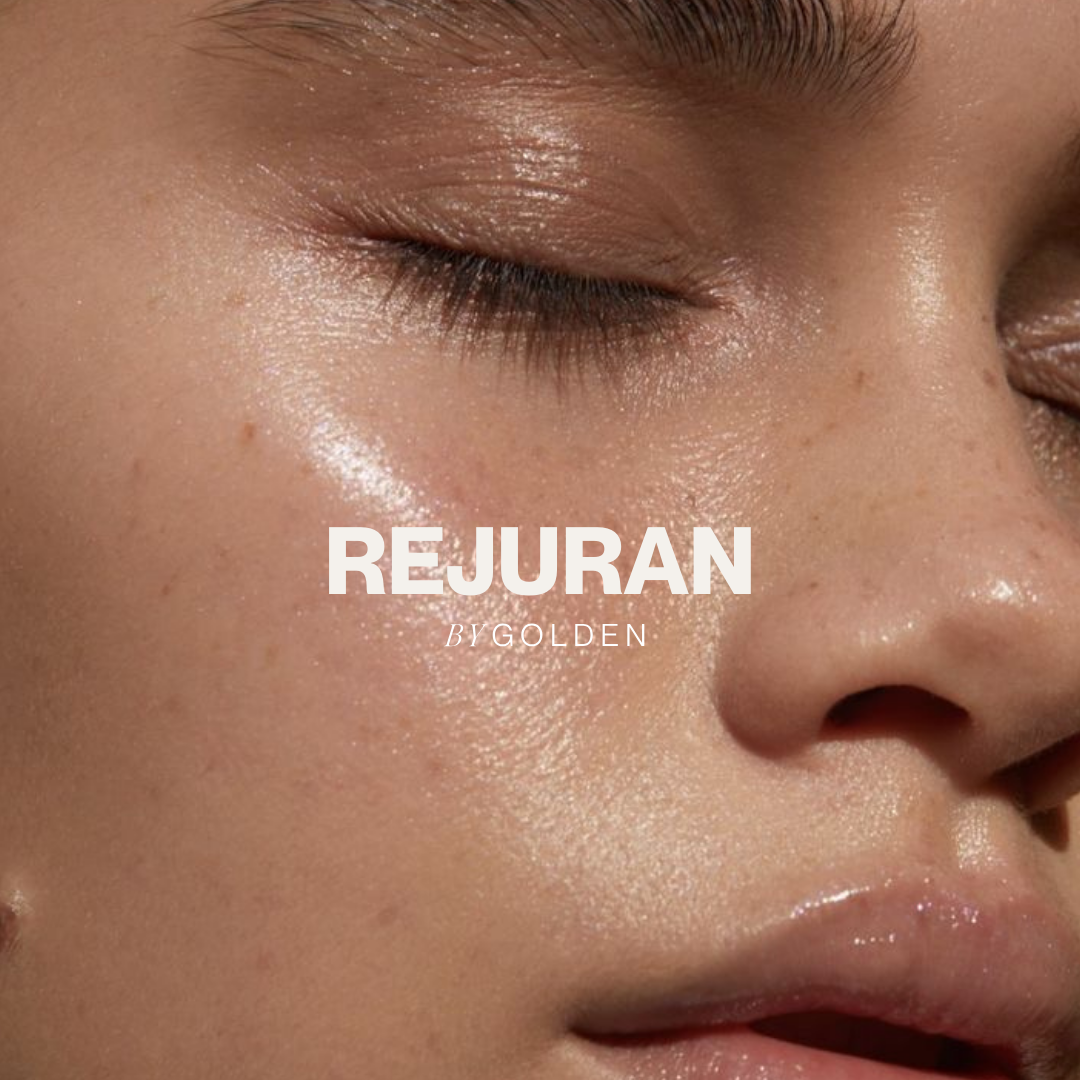
Rejuran Treatment, offered at BYGOLDEN in Parkdale, Melbourne.

How Does Rejuran Work?

Rejuran works by stimulating the skin's natural healing processes. When injected, the polynucleotides promote cell regeneration and collagen synthesis.

Our BYGOLDEN clinicians administer Rejuran via a series of small injections into the dermis (the second layer of skin).

Healing Response The polynucleotides trigger the body’s healing mechanisms, promoting the production of collagen and elastin.

Skin Renewal Over time, this results in improved skin texture, elasticity, and hydration, leading to a more youthful appearance. Because of its bio-stimulating properties, Rejuran not only treats existing skin issues but also helps prevent future signs of aging. (We Loooove)

Is Rejuran Treatment Painful?

This is a common question we here. Some clients are concerned about the pain associated with injectable treatments. Rejuran is generally well-tolerated, and most people report only mild discomfort. Here’s what to expect during your Rejuran treatment at BYGOLDEN.

Numbing Cream Prior to the procedure, a numbing cream may be applied to minimise any discomfort. Our team will discuss your preference on the day of your treatment.

Injection Sensation The sensation during Rejuran injections can be likened to tiny pinches, and any pain is usually short-lived. For reference the needle only penetrates into the second layer of your skin, which is generally 2mm.

Post-Treatment You may experience slight swelling or tenderness at the injection sites, but this typically subsides within a few hours! As mentioned in previous posts, we would recommend booking your Rejuran appointment when you know you have some downtime from important events!

How Often Should I Have Rejuran Treatments?

The frequency of Rejuran treatments can vary based on your individual skin concerns. We have put together some general guidelines below.

Initial Treatments Our cosmetic clinicians recommend a series of 2 to 4 treatments spaced about 4 weeks apart for optimal results.

Maintenance After the initial series, maintenance treatments are usually suggested every 6 to 12 months to sustain the results.




/* ============================================ BYGOLDEN — Blog Custom CSS Paste into: Design > Custom CSS Works alongside the Post Blog Item Injection ============================================ */ /* ============================================ BLOG INDEX PAGE (list of all posts) ============================================ */ /* Page background */ body.BlogPage { background-color: #F3F4F1; } /* Blog index post titles */ .BlogList-item-title, .blog-list .entry-title { font-family: 'Montserrat', sans-serif !important; font-size: 17px !important; font-weight: 400 !important; letter-spacing: 0.07em !important; line-height: 1.4 !important; color: #807B72 !important; font-style: normal !important; text-transform: none !important; } /* Blog index post excerpt */ .BlogList-item-excerpt, .blog-list .entry-excerpt { font-family: 'Montserrat', sans-serif !important; font-size: 14px !important; font-weight: 300 !important; line-height: 1.75 !important; letter-spacing: 0.02em !important; color: #141414 !important; } /* Blog index date */ .BlogList-item-meta, .blog-list time { font-family: 'Montserrat', sans-serif !important; font-size: 10px !important; font-weight: 500 !important; letter-spacing: 0.18em !important; text-transform: uppercase !important; color: #DECFBF !important; } /* Blog index read more link */ .BlogList-item-readmore, .blog-list .entry-readmore { font-family: 'Montserrat', sans-serif !important; font-size: 10px !important; font-weight: 600 !important; letter-spacing: 0.18em !important; text-transform: uppercase !important; color: #807B72 !important; text-decoration: none !important; border-bottom: 1px solid #DECFBF !important; padding-bottom: 2px !important; } /* ============================================ BLOG POST PAGE ============================================ */ body.BlogItemPage { background-color: #F3F4F1; } /* Suppress native title — replaced by JS injection */ .BlogItem-title, h1.BlogItem-title { display: none !important; } /* Suppress native meta (date, author) — replaced by JS injection */ .BlogItem-meta, .BlogItem-meta-inner, .BlogItem-author, .BlogItem-cats, .blog-item-socials, .BlogItem-socials, .BlogItem-back { display: none !important; } /* Post body wrapper */ body.BlogItemPage .BlogItem-main { background-color: #F3F4F1; padding-top: 0; padding-bottom: 0; } /* Content column */ body.BlogItemPage .BlogItem-main .sqs-layout, body.BlogItemPage .BlogItem-main .sqs-col-12, body.BlogItemPage .BlogItem-main .sqs-block-content { max-width: 720px; margin-left: auto; margin-right: auto; padding-left: 32px; padding-right: 32px; } /* Featured image hero */ body.BlogItemPage .BlogItem-hero { width: 100%; max-height: 500px; overflow: hidden; margin-bottom: 0; } body.BlogItemPage .BlogItem-hero img { width: 100%; height: 100%; object-fit: cover; display: block; } /* Body paragraphs */ body.BlogItemPage .BlogItem-main p, body.BlogItemPage .sqs-block-content p { font-family: 'Montserrat', sans-serif; font-size: 16px; font-weight: 300; line-height: 1.9; letter-spacing: 0.02em; color: #141414; margin-bottom: 28px; } /* H2 */ body.BlogItemPage .BlogItem-main h2, body.BlogItemPage .sqs-block-content h2 { font-family: 'Montserrat', sans-serif; font-size: 20px; font-weight: 500; letter-spacing: 0.1em; line-height: 1.4; color: #807B72; font-style: normal; text-transform: none; margin: 52px 0 18px; padding-bottom: 14px; border-bottom: 1px solid #DECFBF; } /* H3 */ body.BlogItemPage .BlogItem-main h3, body.BlogItemPage .sqs-block-content h3 { font-family: 'Montserrat', sans-serif; font-size: 16px; font-weight: 600; letter-spacing: 0.1em; color: #807B72; margin: 40px 0 14px; } /* H4 */ body.BlogItemPage .BlogItem-main h4, body.BlogItemPage .sqs-block-content h4 { font-family: 'Montserrat', sans-serif; font-size: 11px; font-weight: 600; letter-spacing: 0.2em; text-transform: uppercase; color: #807B72; margin: 36px 0 12px; } /* Lists */ body.BlogItemPage .BlogItem-main ul, body.BlogItemPage .BlogItem-main ol { font-family: 'Montserrat', sans-serif; font-size: 16px; font-weight: 300; line-height: 1.9; color: #141414; margin-bottom: 28px; padding-left: 20px; } body.BlogItemPage .BlogItem-main li { margin-bottom: 10px; letter-spacing: 0.02em; } /* Blockquote */ body.BlogItemPage .BlogItem-main blockquote { border-left: 2px solid #DECFBF; border-top: none; border-right: none; border-bottom: none; margin: 48px 0; padding: 4px 0 4px 28px; font-family: 'Montserrat', sans-serif; font-size: 17px; font-weight: 300; font-style: normal; letter-spacing: 0.04em; line-height: 1.75; color: #807B72; } /* Links */ body.BlogItemPage .BlogItem-main a { color: #807B72; text-decoration: underline; text-underline-offset: 3px; text-decoration-color: #DECFBF; transition: color 0.2s ease; } body.BlogItemPage .BlogItem-main a:hover { color: #141414; text-decoration-color: #807B72; } /* Image captions */ body.BlogItemPage .BlogItem-main .image-caption { font-family: 'Montserrat', sans-serif; font-size: 10px; font-weight: 500; letter-spacing: 0.16em; text-transform: uppercase; color: #DECFBF; text-align: center; margin-top: 10px; } /* Tags */ body.BlogItemPage .BlogItem-tags { margin-top: 56px; padding-top: 24px; border-top: 1px solid #DECFBF; display: flex; flex-wrap: wrap; gap: 10px; } body.BlogItemPage .BlogItem-tags a { font-family: 'Montserrat', sans-serif; font-size: 10px; font-weight: 500; letter-spacing: 0.16em; text-transform: uppercase; color: #807B72; text-decoration: none; border: 1px solid #DECFBF; padding: 6px 14px; transition: background 0.2s ease; } body.BlogItemPage .BlogItem-tags a:hover { background: #DECFBF; color: #141414; } /* ============================================ MOBILE ============================================ */ @media (max-width: 767px) { body.BlogItemPage .BlogItem-main .sqs-layout, body.BlogItemPage .BlogItem-main .sqs-col-12, body.BlogItemPage .BlogItem-main .sqs-block-content { padding-left: 24px; padding-right: 24px; } body.BlogItemPage .BlogItem-hero { max-height: 260px; } body.BlogItemPage .BlogItem-main p, body.BlogItemPage .sqs-block-content p { font-size: 15px; line-height: 1.85; } body.BlogItemPage .BlogItem-main h2, body.BlogItemPage .sqs-block-content h2 { font-size: 17px; } }
Previous
Previous

Everything You Need to Know About Lip Fillers

Next
Next

Will Anti-wrinkle treatment work on deep wrinkles?